When planning a new driveway, parking lot, or pavement repair, one of the most common questions property owners ask is how long the project will actually take. In the East Bay, timelines can vary depending on the size of the job, weather conditions, material type, and site preparation requirements. While some paving projects can be completed in just a couple of days, others may take a week or more from start to finish.
Understanding the full process helps homeowners and business owners set realistic expectations and plan accordingly. Whether you are upgrading residential pavement or managing a commercial lot, working with experienced professionals makes a significant difference in both efficiency and final results.
If you are researching reliable Paving Contractors in Concord, Walnut Creek & Danville, it is helpful to understand how long each phase of a paving project typically takes and what factors influence the overall schedule.
Typical Timeline for Paving Projects in the East Bay
Most standard paving projects in the East Bay fall within a general timeframe of 2 to 7 days from preparation to completion. However, this estimate can vary widely depending on the complexity of the job.
A simple residential driveway replacement may be completed in as little as one to three days, while larger commercial paving projects can take a week or more due to additional layers, site preparation, and finishing requirements.
The full timeline usually includes several stages, each of which contributes to the overall duration of the project.
Stage 1: Initial Assessment and Planning
Before any physical work begins, paving contractors conduct a site evaluation. This step is essential for understanding the condition of the existing surface, drainage patterns, soil stability, and overall project scope.
During this stage, measurements are taken, materials are selected, and a project plan is created. Depending on scheduling and project size, this phase can take anywhere from a few hours to a couple of days.
Permits may also be required for certain commercial or large-scale residential projects, which can extend the planning phase slightly depending on local approval timelines.
Stage 2: Site Preparation and Excavation
Site preparation is often the most time-intensive part of a paving project. This step includes removing old pavement, clearing debris, grading the surface, and ensuring proper drainage.
If the existing base is in poor condition, additional excavation or soil stabilization may be required. This is especially common in older driveways or heavily used commercial lots.
On average, site preparation can take one to three days depending on the size and condition of the area. Proper preparation is critical because it directly impacts the durability and longevity of the finished pavement.
Stage 3: Base Installation
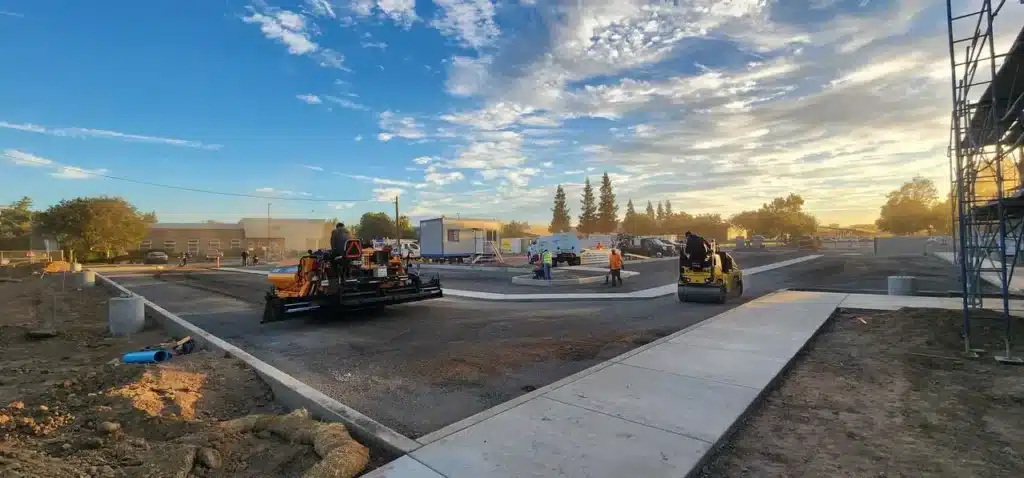
Once the site is properly prepared, contractors install and compact the base layer. This layer provides structural support for the asphalt or concrete surface and ensures proper load distribution.
Crushed stone or aggregate is typically used for this foundation. The material is carefully leveled and compacted using specialized equipment to create a stable surface.
This stage generally takes one day for smaller residential projects but may take longer for larger or more complex commercial installations.
Stage 4: Asphalt or Concrete Installation
After the base is complete, the actual paving begins. Asphalt is usually applied in one or two layers depending on the project requirements, while concrete requires pouring, smoothing, and initial curing.
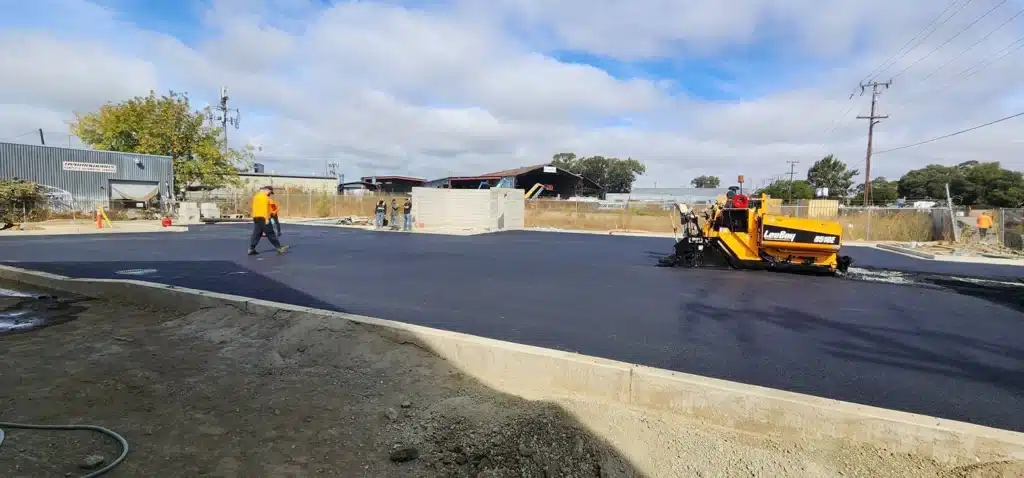
Asphalt installation is relatively fast and can often be completed in a single day for residential driveways. Larger parking lots or multi-layer projects may take longer due to staging and compaction requirements.
Concrete, on the other hand, requires additional curing time, which can extend the overall project timeline even after installation is complete.
Stage 5: Curing and Drying Time
Even after paving is complete, the surface needs time to properly cure. Asphalt typically requires at least 24 to 72 hours before it can handle light vehicle traffic, while full curing may take longer depending on weather conditions.
Concrete surfaces require significantly more curing time, often up to a week or more before they can fully support heavy loads.
During this stage, contractors may also complete finishing touches such as striping, sealing edges, or applying protective coatings.
Factors That Affect Project Timelines
Several factors can influence how long a paving project takes in the East Bay. Weather is one of the most significant variables, as rain or extreme temperatures can delay installation or curing times.
Project size is another major factor. Larger areas naturally require more time for grading, paving, and finishing.
Other important factors include:
- Condition of the existing surface
- Required depth of excavation
- Material choice (asphalt vs. concrete)
- Equipment accessibility
- Permit approval timelines
- Drainage and grading complexity
Each project is unique, and experienced contractors adjust schedules accordingly to ensure quality results without unnecessary delays.
Residential vs. Commercial Project Timelines
Residential paving projects, such as driveways or small walkways, are typically completed faster due to their smaller scale and simpler design. Most homeowners can expect completion within one to three days, plus curing time.
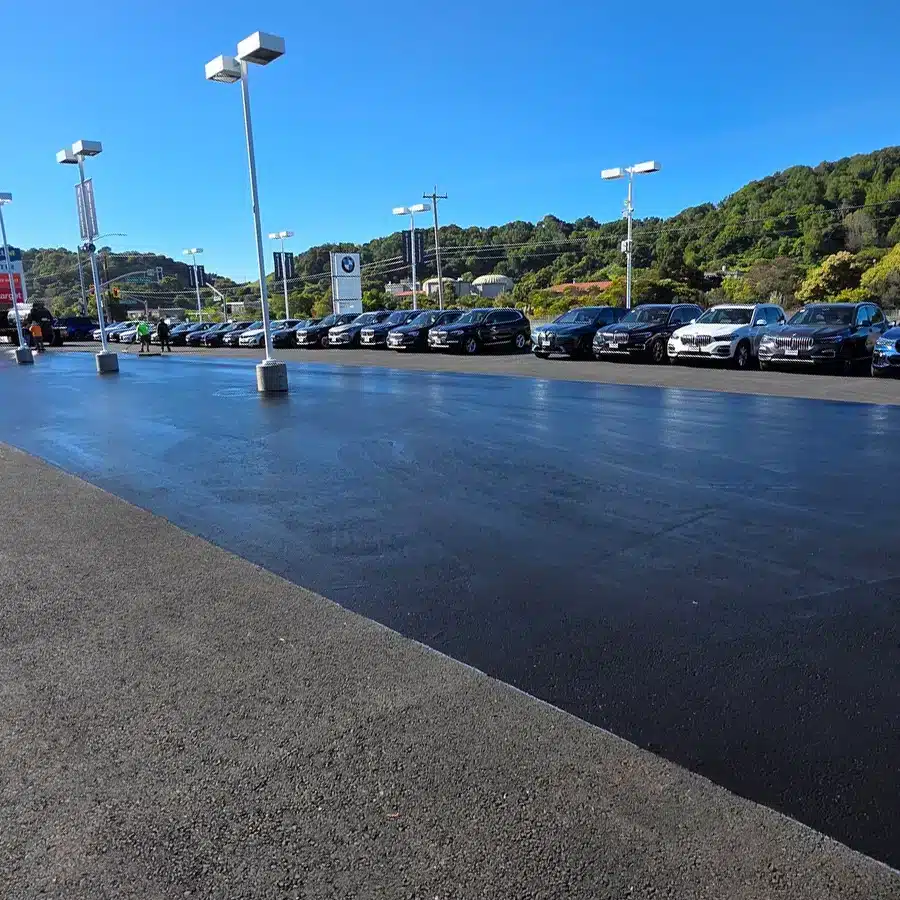
Commercial paving projects, however, are more complex. Parking lots, access roads, and large paved areas require additional planning, coordination, and often phased installation to minimize disruption to business operations. These projects may take several days to over a week depending on scope.
How Contractors Help Keep Projects on Schedule
Experienced paving contractors use efficient processes, modern equipment, and careful planning to ensure projects stay on track. Proper scheduling, material preparation, and weather monitoring all play a role in minimizing delays.
Clear communication with property owners also helps prevent misunderstandings and ensures each phase of the project is completed smoothly.
Working with professionals who understand local conditions in the East Bay helps streamline the entire process from start to finish.
Final Thoughts
The timeline for paving projects in the East Bay depends on many variables, but most residential and commercial jobs are completed within a few days to a week. Proper planning, quality materials, and experienced contractors all contribute to efficient project completion and long-lasting results.
For property owners considering paving work, understanding each stage of the process helps set realistic expectations and ensures a smoother experience overall.
If you are ready to begin your project or want expert guidance tailored to your property, call 925-497-3974 or send a message through the website today to get started.