For commercial property owners and managers, a parking lot is often the first thing customers, tenants, and visitors notice. Beyond appearance, the condition of your pavement directly impacts safety, liability, and long-term maintenance costs. A common question asked of commercial paving companies is: how often does a parking lot need to be resurfaced? While there is no one-size-fits-all answer, most commercial parking lots follow predictable resurfacing timelines based on use, climate, and maintenance history.
Average Lifespan Before Resurfacing
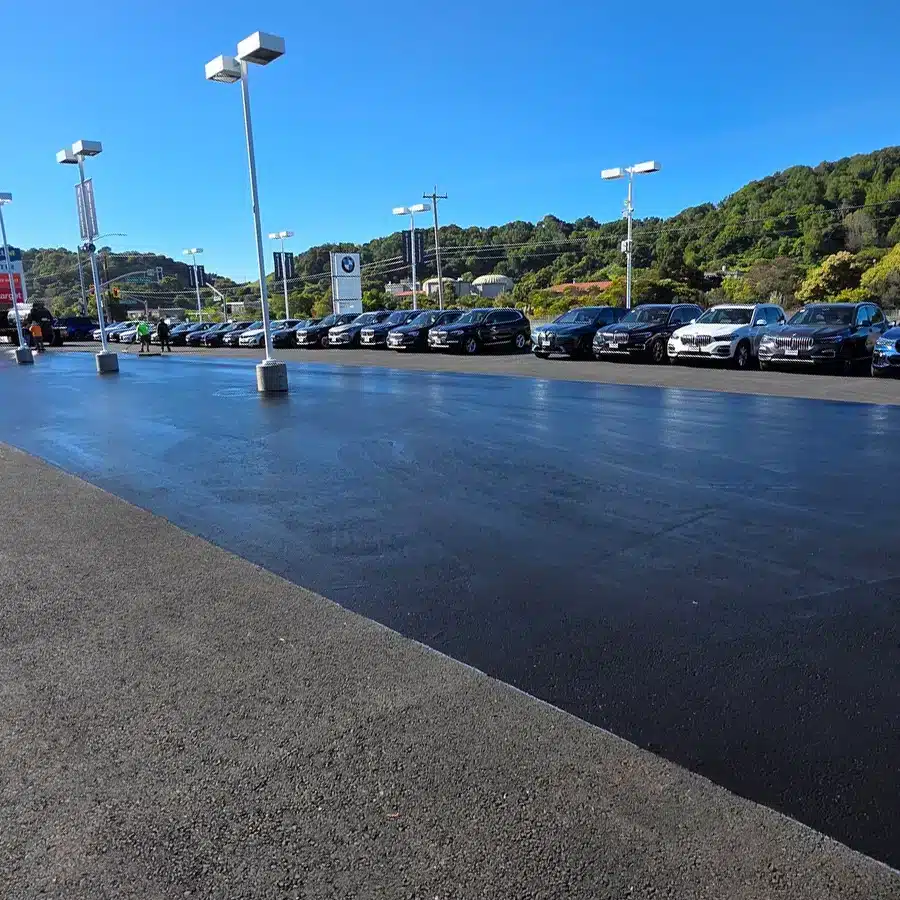
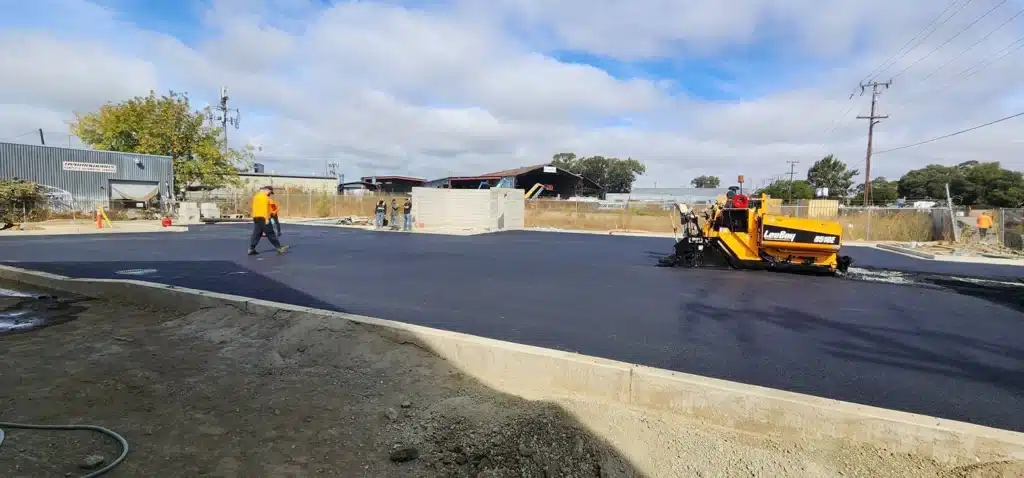
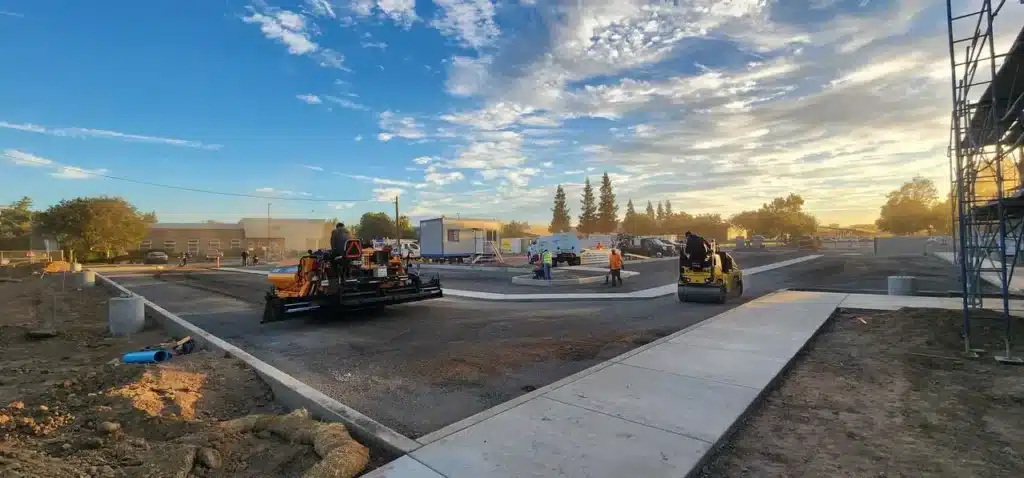
In general, a commercial parking lot needs resurfacing every 10 to 20 years. Parking lot resurfacing involves placing a new asphalt overlay on top of an existing surface after necessary repairs are made. This process restores functionality and appearance without the expense of full reconstruction, provided the base remains structurally sound.
Lots with light traffic, such as small office buildings, may fall closer to the 20-year range. High-traffic properties like retail centers, medical offices, and industrial sites often require resurfacing closer to the 10- to 12-year mark. Understanding where your property falls within this range is essential when planning long-term pavement maintenance.
Factors That Influence Resurfacing Frequency
Several variables affect how often resurfacing is required:
Traffic volume and weight play a major role. Frequent vehicle movement, delivery trucks, and heavy equipment accelerate wear, even when commercial asphalt paving is properly installed.
Environmental exposure is another major factor. In the East Bay, CA, prolonged sun exposure causes asphalt oxidation, while seasonal rainfall can infiltrate cracks and weaken the base. Over time, these conditions make resurfacing unavoidable.
The quality of the original parking lot paving also matters. Work performed by a qualified asphalt paving contractor with proper base preparation typically lasts longer and resists premature failure.
Finally, ongoing maintenance significantly affects pavement longevity. Properties that invest in asphalt sealcoating, crack sealing, and routine inspections often delay resurfacing by several years.
Signs Your Parking Lot Is Ready for Resurfacing
Not all pavement damage requires resurfacing, but certain warning signs indicate it may be time. Widespread surface cracking, faded or brittle asphalt, pooling water, and recurring potholes are common indicators. When damage extends across large portions of the lot, commercial parking lot repair alone may no longer be sufficient.
At this stage, asphalt repair for parking lots is typically combined with resurfacing to address both structural and cosmetic issues. Ignoring these signs can allow damage to reach the base layer, resulting in higher repair costs and possible full replacement.
Resurfacing vs. Commercial Asphalt Repair
Commercial asphalt repair focuses on localized problem areas such as cracks, potholes, and minor surface failures. These services are ideal for addressing safety concerns and slowing deterioration. However, repairs alone cannot reverse extensive surface aging.
Parking lot resurfacing provides a new wearing surface while preserving the existing foundation. Many commercial paving contractors recommend resurfacing when the pavement shows consistent wear but still maintains a stable base.
The Importance of Sealcoating
Asphalt sealcoating is one of the most effective ways to extend the time between resurfacing projects. Sealcoating protects the surface from UV rays, moisture, oil leaks, and oxidation. When applied every two to three years, it slows the aging process and helps commercial asphalt repair efforts last longer.
While sealcoating cannot prevent resurfacing forever, it significantly reduces surface deterioration and helps property owners get the most value from their investment.
Parking Lot Paving & Resurfacing in the East Bay, CA
Local conditions matter when evaluating pavement performance. Traffic patterns, soil composition, and climate all affect asphalt durability. Property owners looking for reliable solutions can learn more about Parking Lot Paving & Resurfacing for Commercial Properties in the East Bay, CA to better understand resurfacing options tailored to regional conditions.
In addition to resurfacing, many properties require ongoing maintenance, repairs, and upgrades. Comprehensive solutions are available through Commercial Asphalt Paving & Parking Lot Services in the East Bay, CA, ensuring parking lots remain safe, compliant, and visually appealing year-round.
Planning Ahead Saves Money
Waiting too long to address pavement deterioration often leads to higher costs, safety risks, and operational disruptions. Regular inspections by experienced commercial paving companies allow property owners to identify issues early and budget accordingly.
By combining routine commercial asphalt repair, sealcoating, and timely resurfacing, commercial properties can extend pavement life while avoiding unexpected expenses.
Final Thoughts
So, how often does a parking lot need to be resurfaced? For most commercial properties, resurfacing every 10 to 20 years is typical, depending on traffic, climate, construction quality, and maintenance. Proactive planning and professional care ensure your parking lot remains durable, safe, and visually professional.
If you’re unsure whether your parking lot needs repair or resurfacing, now is the time to take action. Call 925-497-3974 today to schedule an evaluation and discuss the best solution for your commercial property.