If you’re researching driveway materials, you’ve probably seen the terms “asphalt” and “blacktop” used interchangeably. Many homeowners assume they are two completely different products. So what is the difference between asphalt and blacktop?
The short answer is that blacktop is actually a type of asphalt. However, there are subtle differences in composition, application, and usage that can influence driveway paving decisions. Understanding these distinctions can help you choose the right material and better understand asphalt driveway cost.
What Is Asphalt?
Asphalt is a mixture of aggregates (such as crushed stone, sand, or gravel) combined with a petroleum-based binder. It is engineered to create a durable, flexible surface capable of handling vehicle traffic and environmental conditions.
Asphalt is used in a wide range of applications, including:
- Residential driveway paving
- Roads and highways
- Parking lots
- Commercial surfaces
Professional asphalt driveway contractors use specific asphalt mixes designed for residential performance. Proper grading, compaction, and installation techniques are just as important as the material itself.
What Is Blacktop?
Blacktop is essentially asphalt that contains a higher proportion of crushed stone in the mix. The term “blacktop” is commonly used in residential settings, while “asphalt” is more frequently used in commercial or engineering contexts.
In practical terms, when homeowners request blacktop for their driveway, they are usually receiving hot mix asphalt suitable for residential driveway paving.
The differences between asphalt and blacktop are minor for most homeowners. What matters more is how the material is installed and maintained.
Composition Differences
While both materials share similar components, blacktop typically contains more stone aggregate and is often used in areas with lighter traffic, such as residential driveways and playgrounds.
Heavier-duty asphalt mixes are used for highways or commercial parking lots where weight loads are significantly greater.
When working with experienced driveway paving companies, you can trust that the correct mix will be selected based on usage requirements.
Installation Matters More Than Terminology
For homeowners searching for “driveway paving near me,” the bigger concern should not be whether the material is called asphalt or blacktop, but whether it is installed properly.
High-quality asphalt driveway installation includes:
- Proper excavation and grading
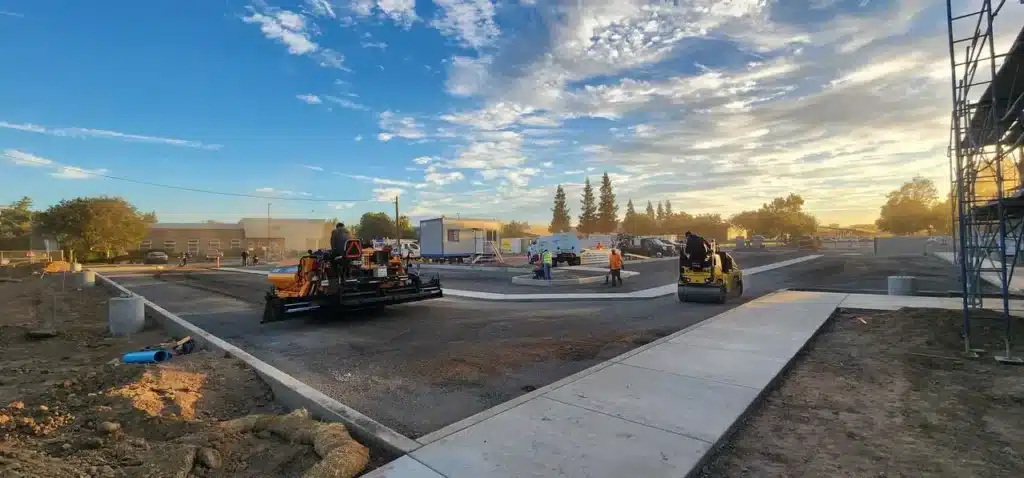
- Installation of a compacted aggregate base
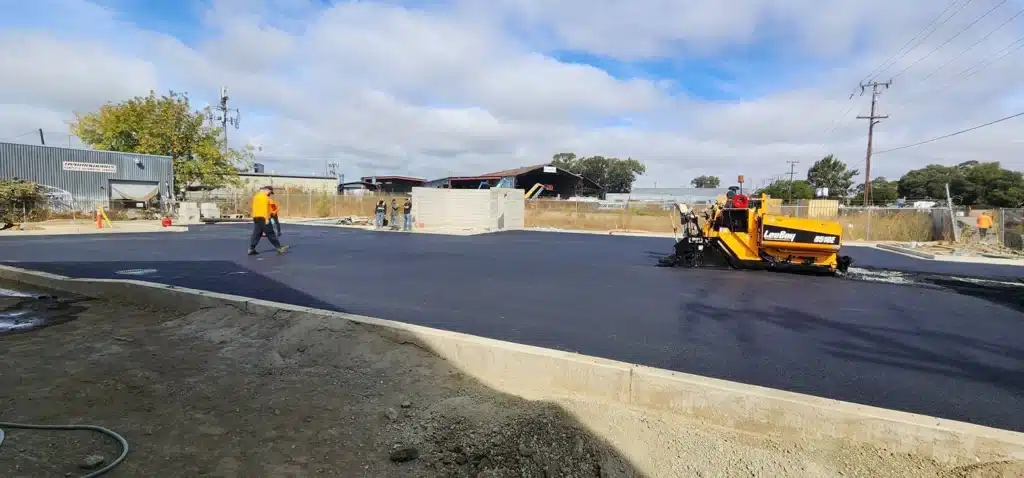
- Application of hot mix asphalt
- Thorough compaction for structural integrity
A skilled driveway paving contractor ensures the base is stable and drainage is correct. Even the best asphalt mix can fail if installed improperly.
Cost Considerations
From a pricing perspective, there is typically little difference in asphalt driveway cost based solely on the terminology. Instead, cost depends on:
- Driveway size
- Thickness of asphalt
- Base preparation
- Removal of old pavement
- Accessibility of the property
Larger or more complex driveways naturally require more materials and labor.
When comparing driveway paving companies, focus on preparation methods and long-term durability rather than the label used for the material.
Maintenance for Asphalt and Blacktop
Whether you call it asphalt or blacktop, maintenance is essential for long-term performance.
Driveway sealcoating helps protect the surface from:
- UV exposure
- Water penetration
- Oil and chemical stains
- Oxidation
Sealcoating slows deterioration and reduces the need for future asphalt driveway repair.
Without maintenance, cracks can form and allow moisture to weaken the base layer. Over time, neglected surfaces may require driveway resurfacing or even full replacement.
When Repairs or Resurfacing Are Needed
Over time, all asphalt surfaces experience wear. Minor cracks and surface fading are normal. Prompt asphalt driveway repair can prevent small issues from becoming structural problems.
If the base remains stable but the surface shows aging, driveway resurfacing may restore appearance and extend lifespan.
If structural damage is extensive, full asphalt driveway installation may be necessary. A professional evaluation from qualified asphalt driveway contractors will determine the best course of action.
East Bay Climate and Performance
In the East Bay, warm summers and seasonal rainfall affect asphalt surfaces. Heat accelerates oxidation, while water infiltration can weaken untreated cracks.
Proper driveway paving techniques, including adequate grading and compaction, are essential for long-term durability. Routine driveway sealcoating further protects against environmental wear.
For homeowners exploring comprehensive residential services,
Driveway Paving And Asphalt Services In The East Bay CA provides a complete overview of solutions designed for local conditions.
Which Option Is Right for Your Driveway?
For most residential applications, the difference between asphalt and blacktop is largely semantic. Both refer to similar materials suitable for residential driveway paving.
What truly determines performance is:
- Quality of base preparation
- Correct asphalt thickness
- Proper compaction
- Ongoing maintenance
Choosing an experienced driveway paving contractor ensures your surface performs reliably for years to come.
Protecting Your Investment
Once your driveway is installed, simple maintenance steps extend its lifespan:
- Schedule routine driveway sealcoating
- Address cracks promptly
- Maintain proper drainage
- Avoid concentrated heavy loads
These steps help manage long-term asphalt driveway cost and reduce the need for extensive repairs.
Get Professional Guidance
If you’re considering a new driveway or evaluating your current surface, understanding the terminology is helpful—but professional installation is what truly matters.
Call 925-497-3974 today or request a free estimate to get started. Our team will assess your property, explain your options clearly, and provide a durable asphalt driveway designed for long-term performance in the East Bay.