For commercial property owners managing aging pavement, one common question comes up when cracks, fading, and surface wear begin to appear: can you put a layer of asphalt over old asphalt? In many cases, the answer is yes—but only under the right conditions. Adding a new layer of asphalt, often referred to as an overlay, can be a cost-effective way to restore a parking lot’s appearance and performance when done correctly.
Understanding when this option makes sense, and when it doesn’t, helps property owners make informed decisions and avoid costly mistakes.
What It Means to Overlay Asphalt
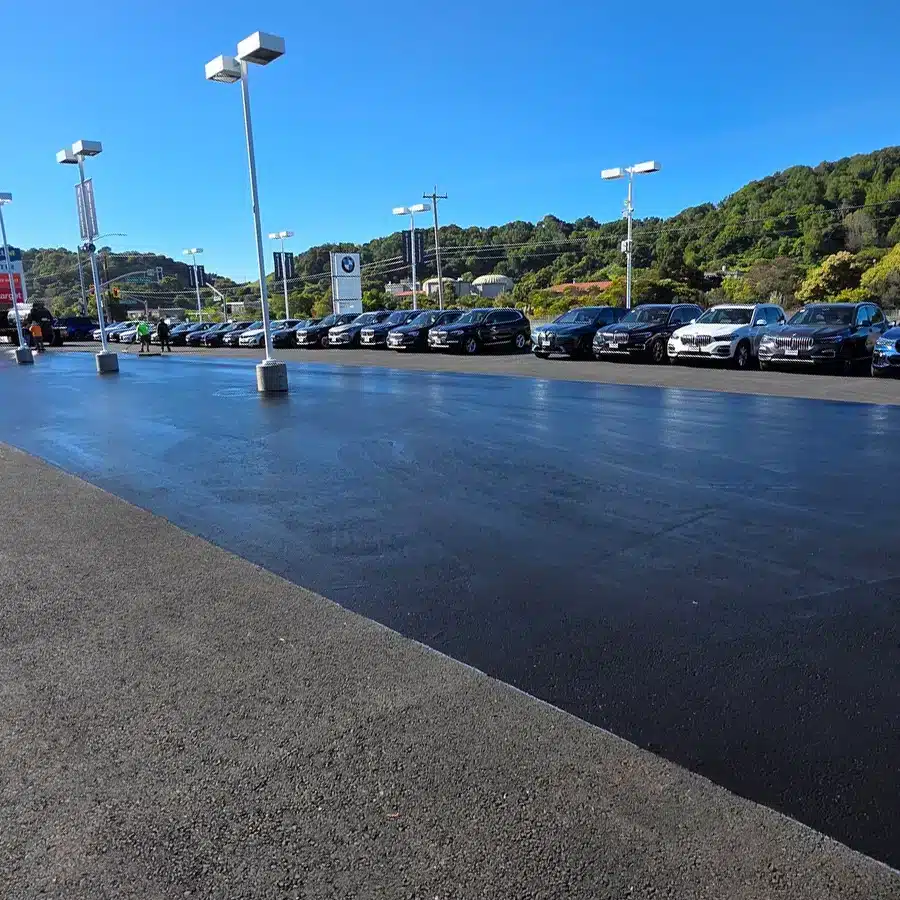
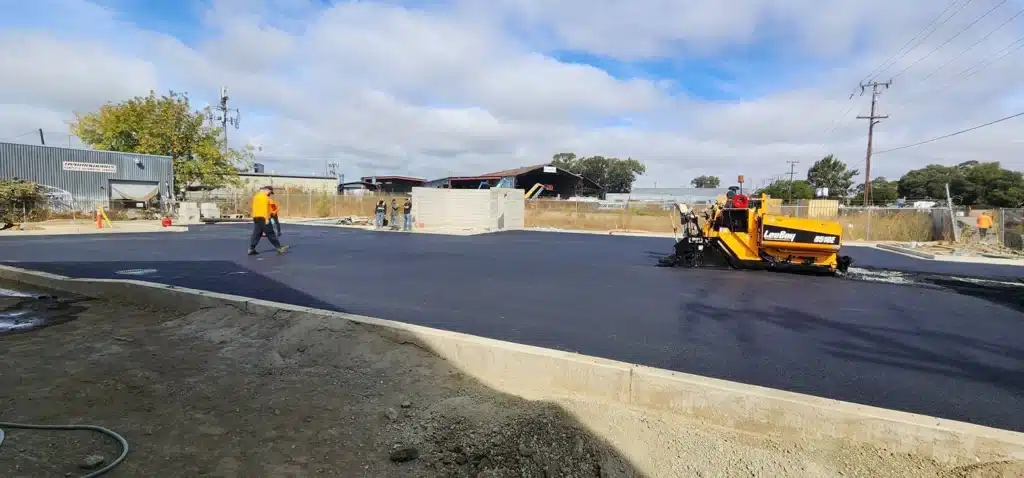
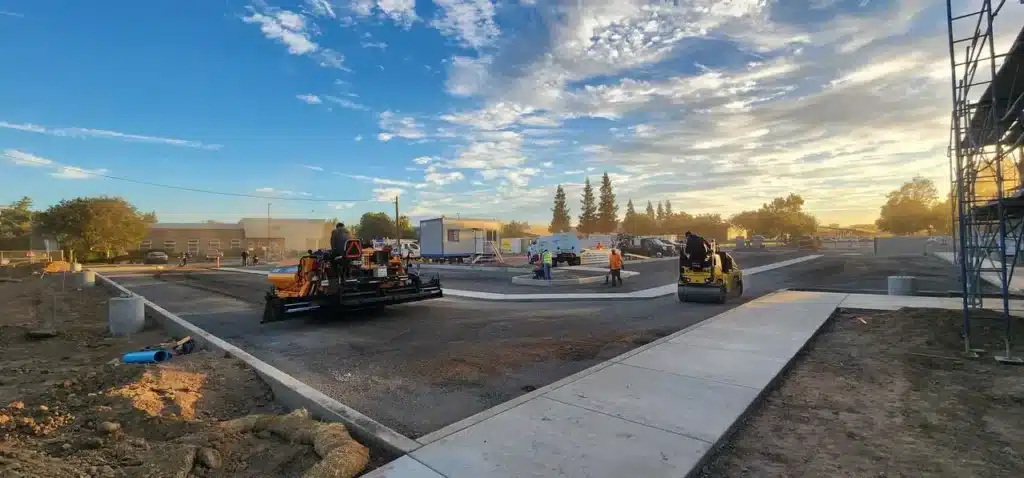
Placing a new layer of asphalt over an existing surface is commonly known as parking lot resurfacing. This process involves repairing damaged areas, preparing the surface, and applying a fresh asphalt layer over the old pavement. The goal is to extend the life of the parking lot without removing and rebuilding the entire structure.
Commercial paving companies often recommend resurfacing when the existing asphalt base is still structurally sound. If the foundation is compromised, however, an overlay alone will not provide lasting results.
When an Asphalt Overlay Is a Good Option
An asphalt overlay works best when surface issues are present but underlying structural problems are minimal. Common conditions that may qualify for resurfacing include surface cracking, oxidation, minor potholes, and general wear from traffic and weather exposure.
Before proceeding, a commercial paving contractor will inspect the pavement to determine whether the base is intact. Proper drainage, stable subgrade, and limited deep cracking are all indicators that resurfacing may be appropriate.
In these cases, resurfacing offers a faster and more affordable alternative to full parking lot paving, while still improving safety, appearance, and durability.
Situations Where Overlay Is Not Recommended
While adding a new asphalt layer can be effective, it is not always the right solution. Pavement with extensive base failure, widespread alligator cracking, or severe drainage issues typically requires more than a surface fix. Overlaying asphalt over these problems can cause the new surface to fail prematurely as underlying issues resurface.
Commercial asphalt repair may be sufficient for isolated problem areas, but when structural damage is widespread, full reconstruction may be the better long-term investment. An experienced asphalt paving contractor can identify these conditions during an evaluation.
The Importance of Proper Surface Preparation
One of the biggest factors in the success of an asphalt overlay is preparation. Before new asphalt is applied, existing damage must be addressed. This often includes crack sealing, patching, and leveling uneven areas.
Asphalt repair for parking lots ensures that weaknesses are corrected before they affect the new layer. Skipping this step can lead to reflective cracking, where old cracks quickly reappear through the overlay.
Professional commercial paving companies understand that proper preparation is essential for maximizing the lifespan of resurfaced pavement.
How Overlays Compare to Full Replacement
Overlaying asphalt is generally more affordable and less disruptive than full replacement. Parking lots can often reopen sooner, minimizing downtime for tenants and customers. However, overlays do not reset the pavement’s life cycle in the same way full reconstruction does.
While resurfacing can add 10 to 15 years of service life, full parking lot paving may provide a longer-term solution when the existing pavement is beyond repair. The right choice depends on current conditions, future usage, and long-term maintenance goals.
The Role of Maintenance After Resurfacing
Once a new asphalt layer is installed, maintenance becomes critical. Asphalt sealcoating plays a major role in protecting resurfaced pavement. Sealcoating shields the surface from UV rays, moisture, oxidation, and vehicle fluids that accelerate deterioration.
Routine sealcoating, combined with regular inspections and timely commercial asphalt repair, helps preserve the new surface and delay future resurfacing or replacement. Preventive maintenance is often what determines whether resurfacing delivers its full value.
Property owners in the region can explore these services through Asphalt Sealcoating & Preventative Maintenance in the East Bay, CA, which focuses on protecting asphalt investments under local environmental conditions.
Traffic and Usage Considerations
The type and volume of traffic a parking lot experiences also affect whether overlaying asphalt is appropriate. Lots with heavy truck traffic or constant high turnover place more stress on pavement. In these cases, overlays may require thicker asphalt layers or additional reinforcement.
A commercial paving contractor evaluates traffic demands to ensure the resurfaced lot can handle real-world usage. Without proper planning, even a well-installed overlay may wear faster than expected.
East Bay Considerations for Asphalt Overlays
In the East Bay, CA, climate and soil conditions influence pavement performance. Extended sun exposure accelerates oxidation, while seasonal rain can exploit cracks and weak points. These factors make proper evaluation and preparation especially important when considering an asphalt overlay.
For property owners looking for comprehensive solutions, Commercial Asphalt Paving & Parking Lot Services in the East Bay, CA provide support for resurfacing, repairs, maintenance, and new construction, all tailored to regional conditions.
Making the Right Decision
So, can you put a layer of asphalt over old asphalt? In many cases, yes—but only when the pavement structure is still sound and the work is performed correctly. Overlaying asphalt is not a shortcut; it’s a strategic solution that requires professional evaluation, proper repairs, and ongoing maintenance.
Choosing experienced commercial paving companies ensures the resurfacing process addresses existing issues and delivers long-lasting results rather than temporary fixes.
Final Thoughts
Adding a new layer of asphalt over old asphalt can be an effective way to extend pavement life, improve appearance, and control costs when conditions are right. The key is understanding the condition of the existing pavement and working with a knowledgeable commercial paving contractor who can recommend the best solution.
If you’re considering resurfacing or want to know whether an asphalt overlay is right for your parking lot, call 925-497-3974 today to schedule a professional evaluation and discuss your options.