Resurfacing can give tired, cracked asphalt a smooth new look, but what happens underneath the new layer determines how long that look lasts. Our Commercial Paving Guide For Antioch, Brentwood & Pittsburg explains how resurfacing fits alongside repair and replacement for parking lots and larger properties. The short answer to this question is yes. In almost every case, cracked asphalt should be repaired before it is resurfaced.
Here is why skipping that step is one of the costliest mistakes a property owner can make, and what proper preparation looks like.
What Resurfacing Actually Does
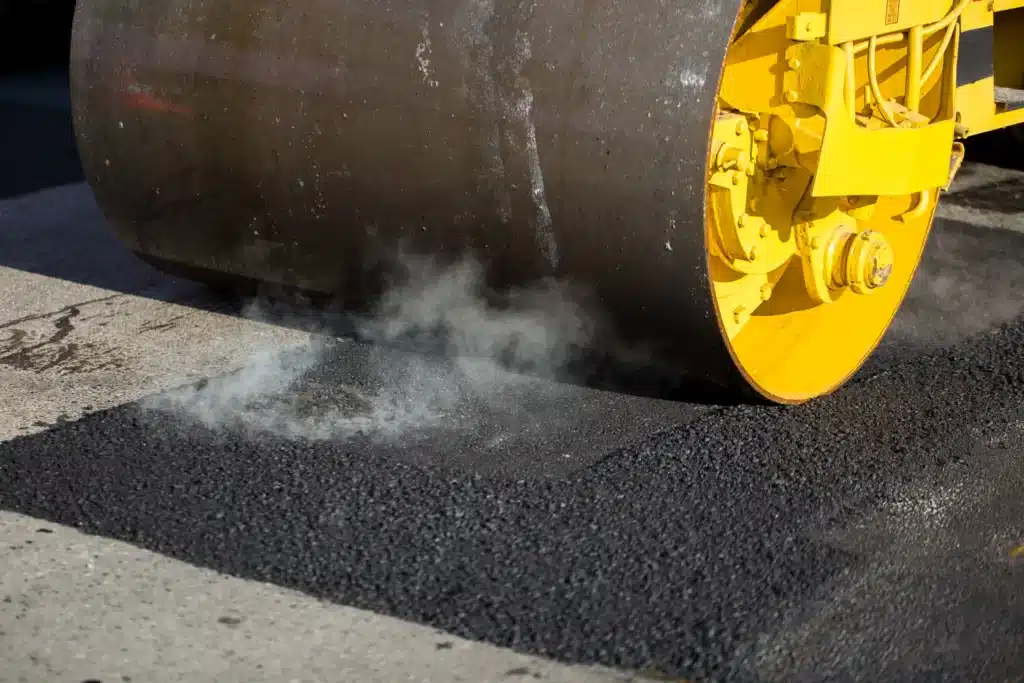
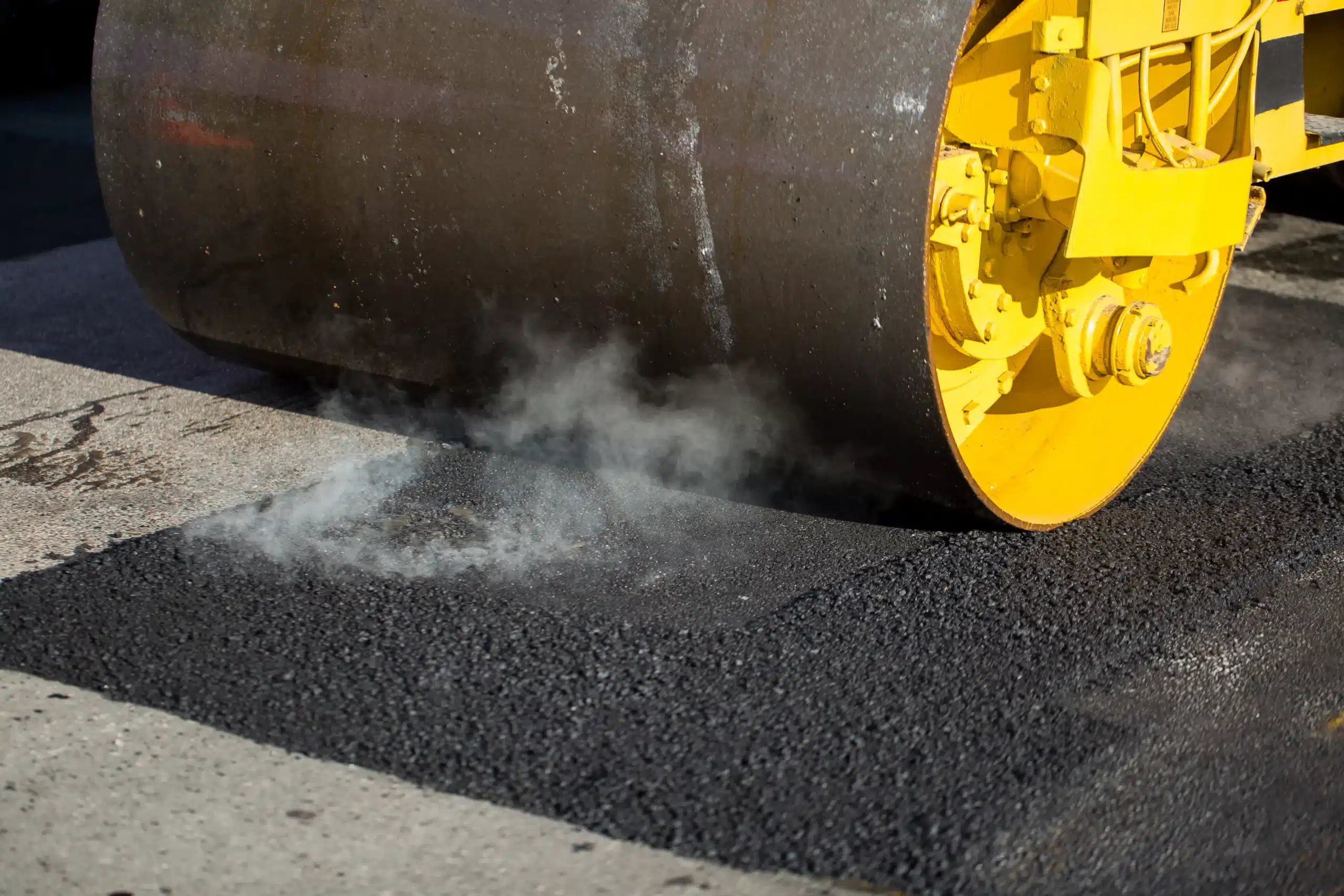
Resurfacing, also called an asphalt overlay, places a new layer of hot mix asphalt, usually about 1 1/2 to 2 inches thick, over existing pavement. It restores a smooth, black surface, improves drainage when graded properly, and costs significantly less than full removal and replacement.
But an overlay is only as strong as the pavement underneath it. It adds a new wearing surface; it does not fix structural problems in the old one.
The Problem With Paving Over Cracks: Reflective Cracking
When new asphalt is placed directly over unrepaired cracks, the old cracks keep moving with temperature changes and traffic. That movement pushes up through the new layer, and the cracks reappear in the same pattern on the fresh surface. This is called reflective cracking.
Reflective cracks can show up within a year or two, especially in East Contra Costa County, where hot summers and expansive clay soils create plenty of seasonal movement. Once they appear, water enters again and the cycle of damage starts over on what was supposed to be a new surface.
How Cracks Should Be Repaired Before an Overlay
The right repair depends on the type and severity of cracking.
Small and Medium Cracks
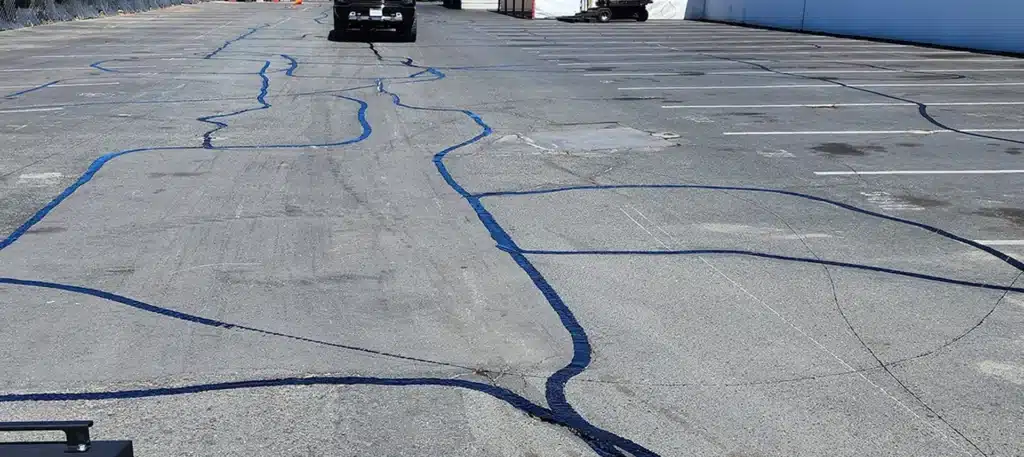
Individual cracks that are still structurally sound should be cleaned out and sealed. For working cracks that open and close with temperature, a hot-pour rubberized crack sealant is typically the best choice. Wider cracks may be routed first so the sealant fills a clean, uniform channel.
Alligator Cracking
Interconnected cracks that look like scales or a chicken-wire pattern are a sign the base below has failed. Sealing will not help here. These areas need full-depth patching, which means cutting out the damaged asphalt, removing and replacing weak base material, compacting it, and installing new asphalt.
Potholes and Depressions
Potholes and low spots should be excavated and patched so the overlay goes down over an even, solid surface. Leveling courses may also be used to correct low areas and improve drainage.
Edge Failure
Crumbling edges along curbs or landscaping should be cut back and patched so the overlay has firm support all the way to the edge.
Milling and Tack Coat
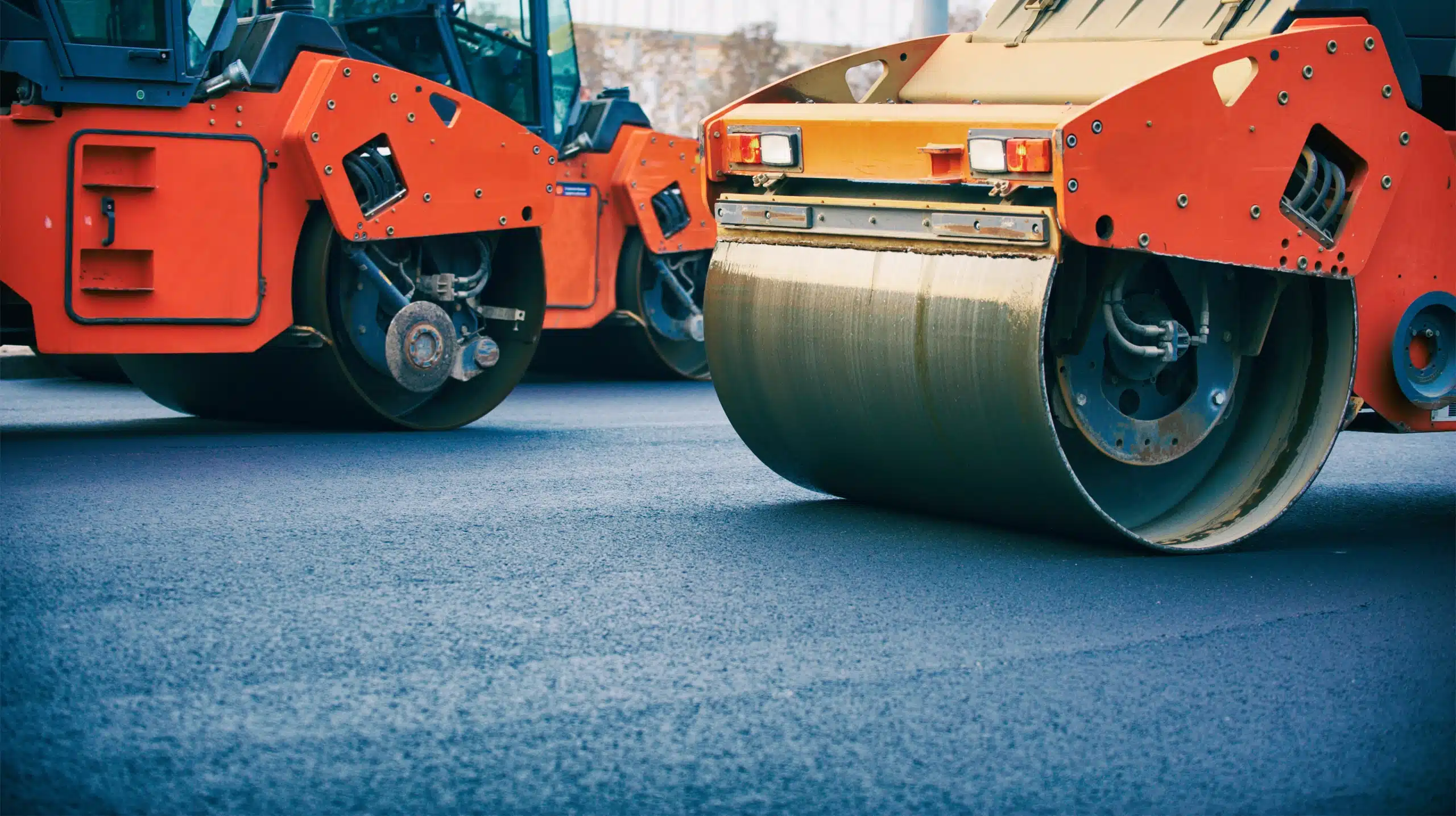
Repair is only part of the preparation. Many overlay projects also include milling, which grinds off the top layer of old asphalt. Milling removes oxidized material, keeps finished grades level with curbs, gutters, and doorways, and creates a textured surface that bonds well with new asphalt.
A tack coat is then sprayed over the prepared surface. This thin layer of asphalt emulsion bonds the new overlay to the existing pavement so the two layers act as one. Skipping the tack coat can lead to slippage and early cracking.
In some cases, a paving fabric or interlayer may also be placed to help slow reflective cracking over pavement with widespread cracks.
When Resurfacing Is Not the Right Choice
Resurfacing works best when roughly three-quarters or more of the existing pavement is still structurally sound. If large areas show alligator cracking, deep ruts, or base failure, repairs may cost nearly as much as replacement, and full reconstruction may be the better long-term value.
An experienced asphalt paving contractor will evaluate the pavement honestly and explain whether an overlay will truly last.
Why This Matters for Homeowners and Businesses
For homeowners, proper repair before resurfacing means a driveway that stays smooth for many years instead of cracking again in a few seasons. Homeowners comparing paving contractors Antioch CA, paving contractors Brentwood CA, and paving contractors Pittsburg CA residents recommend should ask exactly what crack repair and patching is included in a resurfacing quote.
For commercial properties, the stakes are even higher. A failed overlay means more disruption, more safety hazards, and another round of work. Property managers searching for parking lot contractors near me or commercial paving companies near me should choose a commercial paving company that includes crack sealing, patching, milling, and tack coat as standard parts of the process.
A Good Quote Should Include Repairs
If a resurfacing quote seems much lower than others, check whether crack repair, patching, and surface preparation are included. Leaving them out lowers the price today but usually costs more in the long run.
Resurface the Right Way With The Paving Company
The Paving Company repairs cracks, patches failed areas, mills, and resurfaces asphalt for homes and businesses across the East Bay. Every overlay we install starts with proper preparation so your new surface lasts. If you are looking for an asphalt paving company near me or the best parking lot paving company near me, our team is ready to help.
Call The Paving Company today at (925) 497-3974 to schedule your free resurfacing estimate.