Asphalt sealcoating is one of the most effective ways to protect and extend the life of a parking lot. For commercial property owners, timing plays a critical role in how well a sealcoat performs and how long it lasts. One of the most common questions asked of commercial paving companies is: what is the best time of year to seal asphalt?
While sealcoating can’t be applied year-round, choosing the right season helps ensure proper curing, strong adhesion, and long-lasting results. Understanding how weather, temperature, and usage affect sealcoating allows property owners to plan maintenance strategically and avoid unnecessary repairs.
Why Timing Matters for Asphalt Sealcoating
Asphalt sealcoating is a surface treatment that requires specific environmental conditions to cure correctly. If applied under poor conditions, sealcoat may not bond properly, leading to premature wear, tracking, or peeling. This can reduce the effectiveness of the treatment and shorten the maintenance cycle.
Experienced commercial paving contractors carefully plan sealcoating projects to align with favorable weather conditions. Proper timing protects the pavement surface and maximizes the return on maintenance investment.
Ideal Temperature and Weather Conditions
Sealcoating performs best when daytime temperatures consistently remain above 50 degrees Fahrenheit, with no risk of freezing overnight. Dry weather is equally important. Rain, heavy moisture, or high humidity during the curing process can compromise results.
Because of these requirements, sealcoating is typically scheduled during periods of stable, dry weather. An experienced asphalt paving contractor will also consider surface temperature, not just air temperature, when determining the right application window.
Late Spring Through Early Fall: The Optimal Season
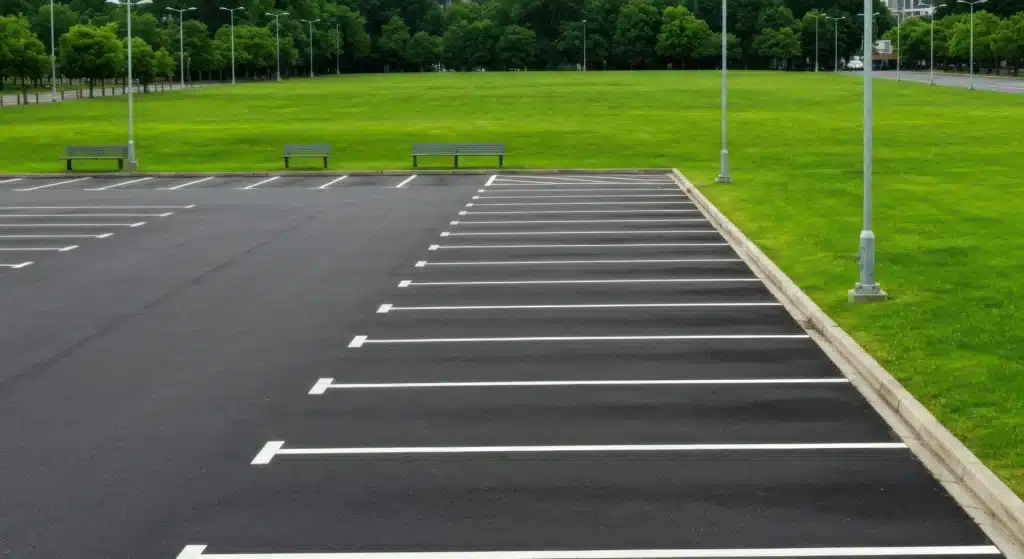
For most regions, including Northern California, late spring through early fall is the best time of year to seal asphalt. During these months, temperatures are warm enough for proper curing, and rainfall is generally less frequent.
In the East Bay, this seasonal window allows sealcoat materials to cure evenly and fully before being exposed to traffic. Applying sealcoat during this time helps protect commercial asphalt paving from oxidation, UV damage, and moisture intrusion.
East Bay Climate Considerations
The East Bay’s climate presents unique advantages and challenges for asphalt maintenance. Extended sun exposure accelerates oxidation, while occasional seasonal rain can exploit cracks in unprotected pavement. These factors make timely sealcoating especially important.
Property owners can learn more about region-specific solutions through Asphalt Sealcoating & Preventative Maintenance in the East Bay, CA, which focuses on protecting asphalt surfaces from local environmental conditions while extending pavement life.
How Sealcoating Fits Into Overall Pavement Care
Sealcoating works best as part of a comprehensive maintenance plan. Before sealcoat is applied, commercial asphalt repair is often required to address cracks, potholes, or surface damage. Asphalt repair for parking lots ensures the surface is properly prepared and prevents existing issues from worsening beneath the sealcoat.
Sealcoating does not fix structural problems, but it significantly slows surface deterioration. When combined with routine inspections and timely commercial parking lot repair, sealcoating helps delay more costly services such as parking lot resurfacing or full replacement.
Traffic and Usage Timing Considerations
In addition to weather, usage patterns should influence when sealcoating is scheduled. Commercial properties with heavy daily traffic benefit from planning sealcoating during slower business periods. This allows adequate curing time and minimizes disruptions for tenants, customers, and employees.
Commercial paving companies often coordinate sealcoating projects in phases, sealing sections of a lot at a time to maintain access while still achieving effective coverage. Proper planning ensures safety and convenience while protecting the pavement.
Why Fall and Winter Are Less Ideal
While fall can sometimes offer suitable conditions, cooler temperatures and shorter daylight hours increase the risk of improper curing. Winter sealcoating is generally not recommended due to low temperatures and increased moisture.
Attempting to seal asphalt outside of recommended conditions often results in reduced performance and wasted investment. Professional commercial paving contractors prioritize timing to ensure sealcoating delivers its intended protective benefits.
Long-Term Benefits of Properly Timed Sealcoating
When sealcoating is applied at the right time of year, it significantly extends the life of asphalt pavement. Regular sealcoating helps maintain surface flexibility, reduces cracking, and preserves a clean, professional appearance.
Over time, this preventive approach lowers the frequency of commercial asphalt repair and delays the need for parking lot resurfacing. Compared to larger paving projects, sealcoating is a cost-effective way to protect pavement assets.
Integrating Sealcoating With Other Asphalt Services
Sealcoating is just one part of maintaining a commercial parking lot. Properties often require a combination of services including repairs, resurfacing, and new parking lot paving. A coordinated approach ensures all aspects of pavement performance are addressed efficiently.
For property owners seeking comprehensive solutions, Commercial Asphalt Paving & Parking Lot Services in the East Bay, CA provide ongoing support for paving, repairs, maintenance, and long-term planning.
Final Thoughts
So, what is the best time of year to seal asphalt? For most commercial properties, late spring through early fall offers the ideal conditions for sealcoating success. Warm temperatures, dry weather, and thoughtful scheduling ensure proper curing and long-lasting protection.
If your parking lot is due for sealcoating or you want to plan a preventive maintenance schedule, call 925-497-3974 today to schedule a professional evaluation and keep your asphalt in top condition.