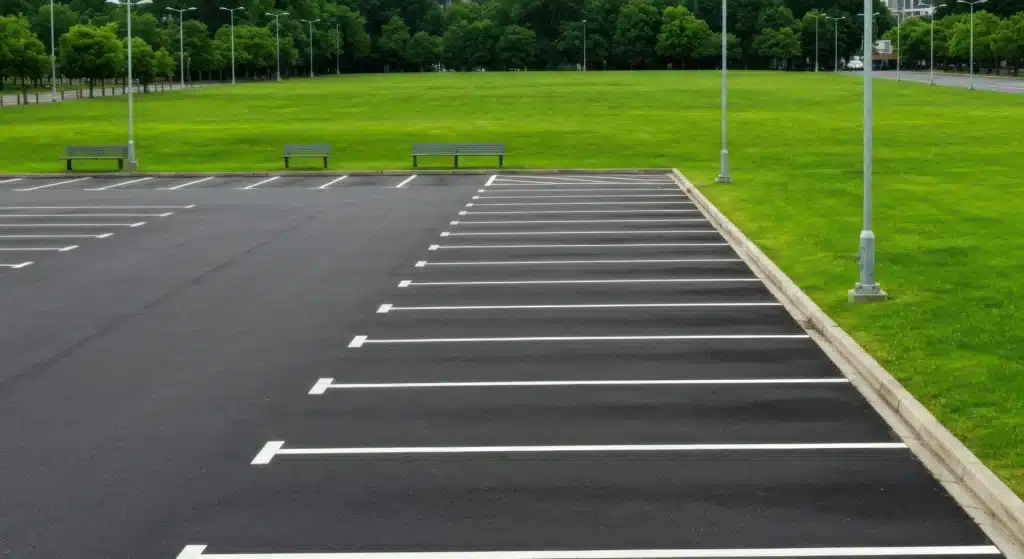
If you’re planning a new driveway, timing matters more than many homeowners realize. One of the most common questions we hear is: what is the best time of year to install asphalt? While asphalt driveway installation can be completed during much of the year in the East Bay, certain seasons offer better conditions for long-term durability and performance.
Understanding how weather affects driveway paving helps ensure your investment lasts for decades.
Why Temperature Matters for Asphalt Installation
Asphalt is installed hot and must remain workable long enough to be properly spread, graded, and compacted. Temperature plays a critical role in this process.
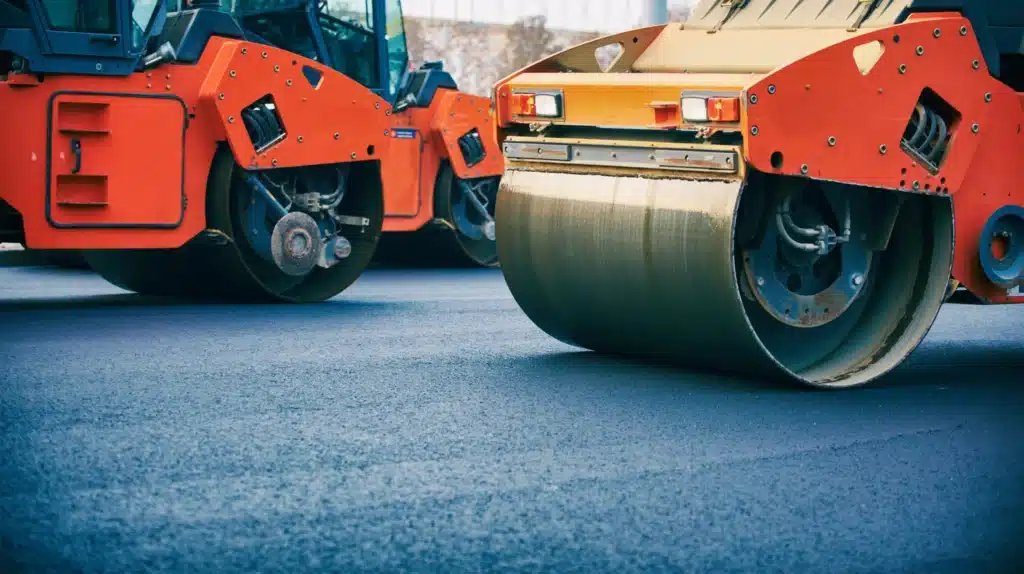
When asphalt is placed in warm conditions, it stays pliable longer, allowing asphalt driveway contractors to compact it correctly. Proper compaction ensures structural strength and helps prevent early cracking or surface failure.
If temperatures are too cold, asphalt cools too quickly. This can reduce bonding between layers and compromise durability. That’s why late spring, summer, and early fall are generally considered the best seasons for asphalt driveway installation.
In the East Bay, mild weather allows for a longer installation window compared to colder regions. However, steady warm temperatures still provide the most reliable results.
Spring: A Popular Time for Driveway Paving
Spring is often one of the busiest seasons for driveway paving companies. As temperatures rise and rain becomes less frequent, asphalt can be installed under favorable conditions.
Homeowners who schedule asphalt driveway installation in spring often benefit from:
- Moderate daytime temperatures
- Reduced risk of extreme heat
- A full season of curing before winter rains
Spring is also a good time to evaluate damage that occurred over winter. If cracks or potholes have developed, asphalt driveway repair can be completed before resurfacing or replacement.
Because spring is a popular season, scheduling early is important if you’re searching for “driveway paving near me.”
Summer: Ideal for Proper Compaction
Summer is often considered the best time of year to install asphalt. Consistent warm temperatures allow the asphalt to remain workable long enough for thorough compaction.
For homeowners concerned about asphalt driveway cost, summer installation can help ensure maximum lifespan, reducing the likelihood of premature repairs. Properly compacted asphalt resists cracking, rutting, and surface breakdown.
However, extremely hot days can require careful planning. Experienced asphalt driveway contractors adjust scheduling and work methods to account for higher temperatures and ensure even application.
Summer is also a great time to address driveway resurfacing projects, especially if your existing base is structurally sound.
Fall: A Strong Alternative
Early fall is another excellent season for driveway paving. Temperatures are typically still warm enough for proper installation, but extreme summer heat has passed.
Fall installation gives asphalt time to cure before heavier winter rains arrive. If you’re planning ahead and want to protect your investment before the wet season, fall can be an ideal choice.
Later in fall, cooler mornings may limit installation windows. A professional driveway paving contractor will monitor weather forecasts closely to ensure optimal conditions.
Winter: Is It Possible?
In some climates, winter asphalt driveway installation is not recommended due to freezing temperatures. In the East Bay, winter conditions are milder, but rain becomes a larger factor.
Moisture interferes with proper bonding and compaction. For this reason, winter installations may be delayed during periods of heavy rain.
If winter damage has occurred, temporary asphalt driveway repair solutions may be recommended until full replacement or resurfacing can be completed during warmer months.
Timing and Long-Term Maintenance
Choosing the right season is only part of the equation. Long-term performance also depends on maintenance.
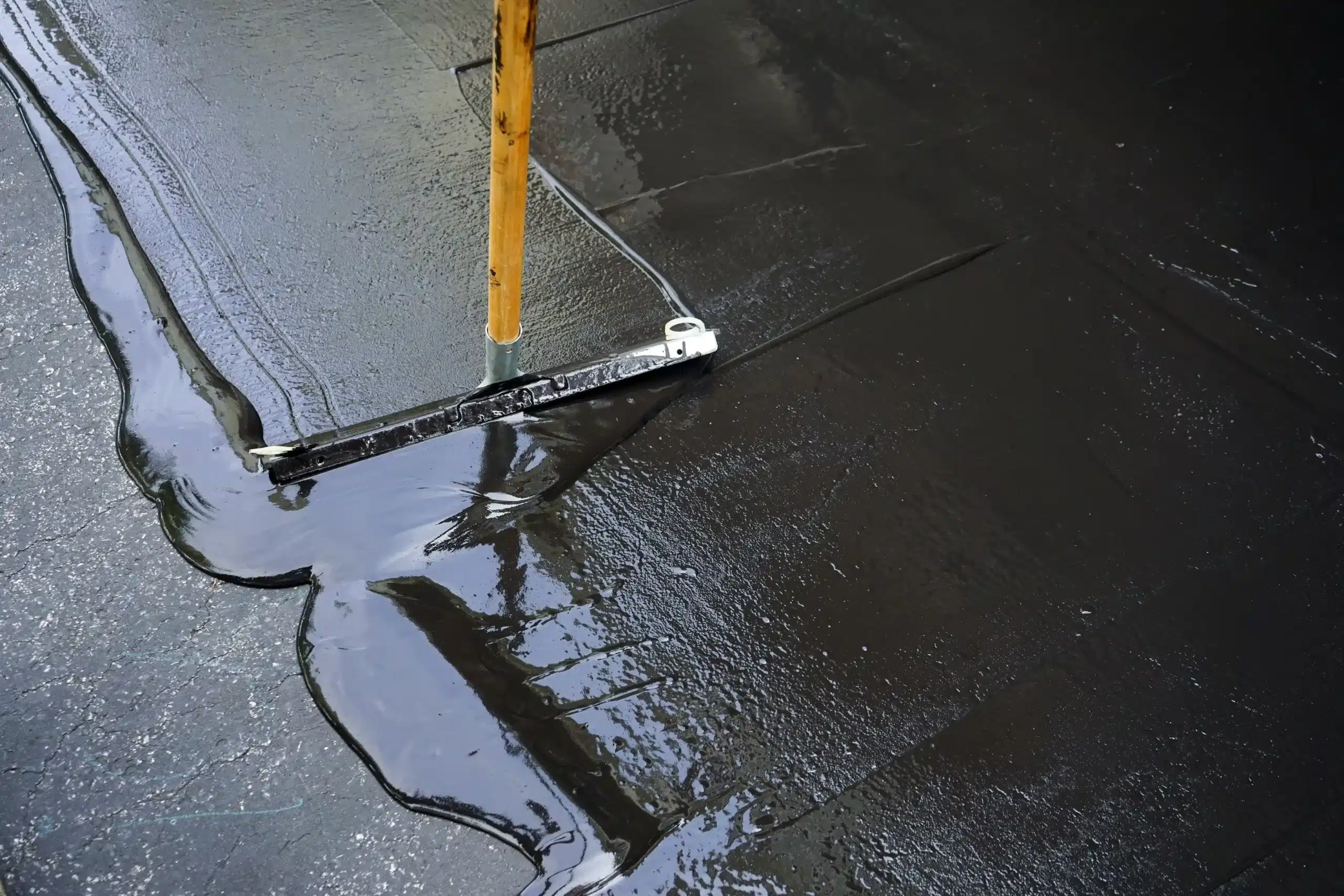
After installation, driveway sealcoating plays an important role in protecting the surface from UV exposure and moisture penetration. Sealcoating should not be applied immediately after new asphalt driveway installation. The surface must first cure properly.
Your driveway paving contractor will recommend the appropriate timeframe for your first sealcoating application. Regular maintenance helps control asphalt driveway cost over time by preventing premature deterioration.
When to Choose Resurfacing Instead of Replacement
If you’re evaluating timing because your current driveway is aging, it’s important to determine whether you need full replacement or driveway resurfacing.
Resurfacing is appropriate when:
- The base is stable
- Cracking is minimal
- Drainage is functioning properly
Full replacement is typically recommended when:
- There is base failure
- Large sections are sinking
- Cracks are widespread
- Water pooling is persistent
For homeowners considering full replacement, you can learn more about Asphalt Driveway Installation and Replacement in The East Bay to better understand the process.
Planning Around Your Schedule
Beyond weather, timing also depends on your personal schedule. After installation, the driveway must cure before vehicles can use it. Most residential driveways can handle light traffic within a couple of days, but full curing continues over time.
If you’re planning gatherings, landscaping projects, or other home improvements, coordinating installation accordingly is important.
Professional driveway paving companies will provide clear guidance on curing timelines and aftercare instructions.
Why Professional Installation Matters
No matter the season, proper installation techniques are critical. Working with experienced asphalt driveway contractors ensures:
- Correct base preparation
- Proper grading and drainage
- Adequate asphalt thickness
- Thorough compaction
These factors directly impact durability and long-term asphalt driveway cost.
If you’re exploring broader service options, Driveway Paving And Asphalt Services In The East Bay CA outlines comprehensive solutions for residential properties.
So, What Is the Best Time?
In the East Bay, late spring through early fall typically offers the best conditions for asphalt driveway installation. Warm temperatures allow proper compaction, and scheduling during dry periods reduces weather-related delays.
However, the best time for your specific project depends on driveway condition, weather patterns, and your personal timeline. A professional evaluation can help you determine the ideal schedule.
If you’re ready to move forward with driveway paving or want to assess the condition of your current surface, call 925-497-3974 today or request a free estimate to get started. Our team will evaluate your property and help you plan your project at the right time of year.